



Most golfers hold the club far too tightly. A grip pressure of around 4 to 5 on a scale of 1 to 10 gives you enough control without locking up your wrists and forearms.
How tight should I hold a golf club when I swing?
The most widely used benchmark is a pressure scale from 1 to 10, where 1 is barely holding the club and 10 is squeezing as hard as you physically can. For most shots, 4 to 5 is the right target range. That level keeps the club secure through the swing while leaving enough softness in your wrists and forearms to generate speed and feel where the clubhead is.
Sam Snead famously described it as holding a small bird: firm enough that it cannot fly away, gentle enough that you do not crush it. That image has lasted decades because it captures something that is hard to put into words: grip pressure is about sensitivity, not strength.
What actually happens when you grip too tight?
When grip pressure climbs above 6 or 7, the muscles in your forearms and shoulders tense up and restrict rotation. Your backswing shortens, your wrist hinge reduces, and the whole kinetic chain that delivers speed to the ball gets choked off before it can build. The result is a swing that looks effortful but produces weak contact.
Tight gripping also affects shot shape. Tense forearms struggle to rotate through the hitting zone, which tends to leave the clubface open at impact. Many golfers who fight a persistent slice are unknowingly causing it with their hands. Loosening the grip by just two points on the pressure scale can straighten ball flight without changing anything else in the swing.
Which part of the hand should apply the most pressure?
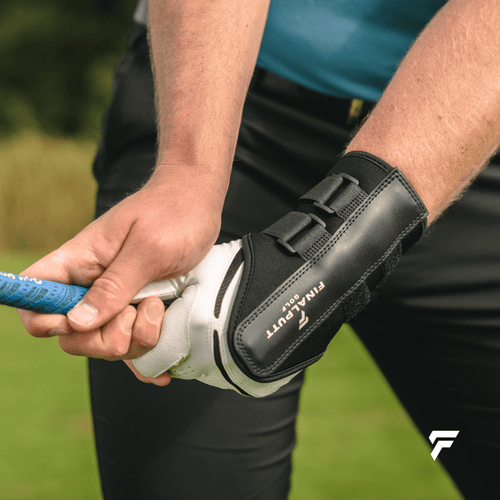
The last three fingers of your lead hand (the left hand for right-handed players) provide most of the holding grip. The index finger and thumb of that hand act more as guides than anchors. In the trail hand, the middle two fingers do the bulk of the work.
Keeping the trail hand thumb and index finger relaxed is a useful check. If those two digits are white-knuckled, overall pressure is almost certainly too high. A simple drill: build your grip, then deliberately relax the trail thumb and forefinger without changing anything else. Notice how much the rest of the hand follows.
| Pressure level (1–10) | Feel | Common outcome |
|---|---|---|
| 1–2 | Club feels loose, almost slipping | Loss of control, club twists at impact |
| 3–5 | Secure but hands are soft | Good speed, consistent face angle |
| 6–7 | Noticeably firm | Reduced wrist hinge, shorter backswing |
| 8–10 | Maximum tension | Loss of distance, tight swing arc, slice tendency |
Does grip pressure change during the swing?
Yes, and this is where most golfers lose control without realizing it. Pressure naturally increases slightly at the top of the backswing as the club changes direction, and that is fine. The problem is when pressure spikes dramatically at transition, which disrupts timing and throws the swing off plane.
A useful checkpoint: if your grip pressure at the top feels meaningfully higher than at address, you are fighting the club rather than swinging it. Practicing with deliberate attention to keeping pressure consistent from address through impact rewires the movement pattern faster than almost any other drill.
How do training aids help you find and repeat the right pressure?
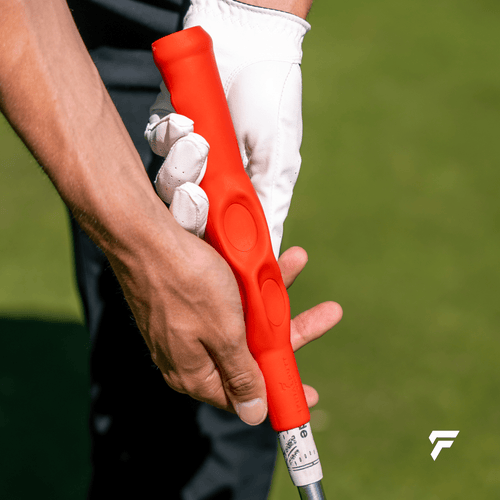
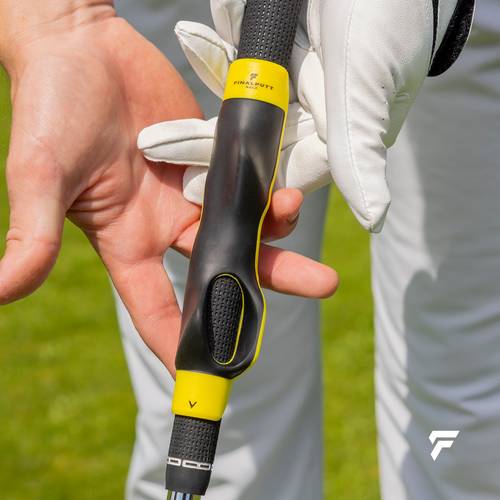
Knowing the target number is one thing. Feeling it reliably, round after round, is another problem entirely. This is where golf training aids become genuinely useful rather than gimmicky. Tools designed to give direct feedback on grip mechanics let you experience the correct pressure level rather than guess at it.
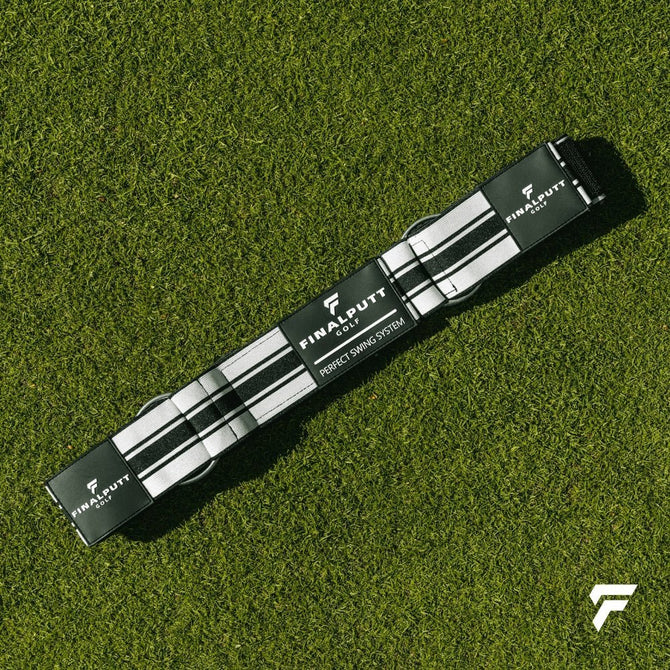
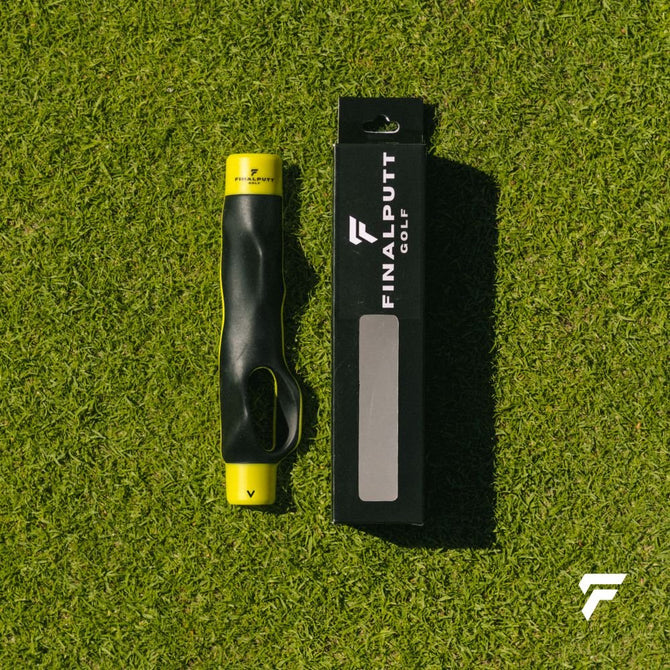
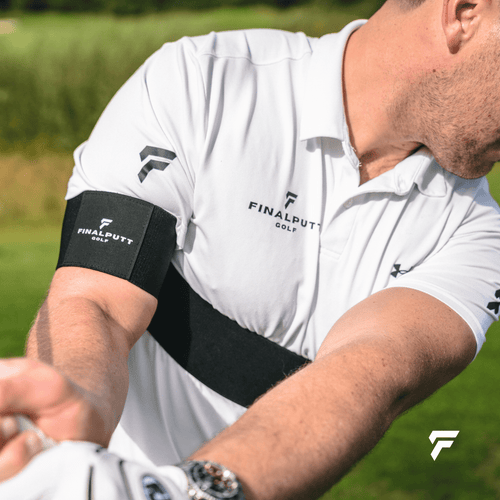
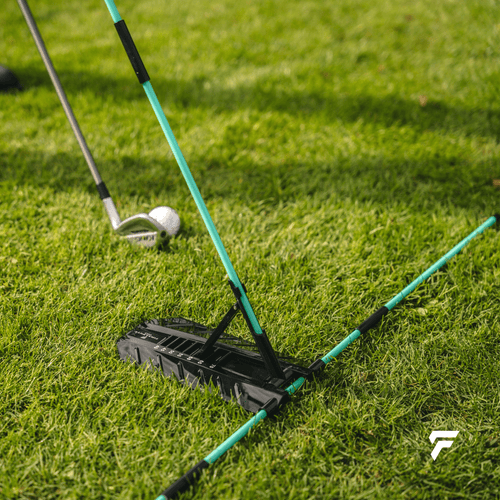
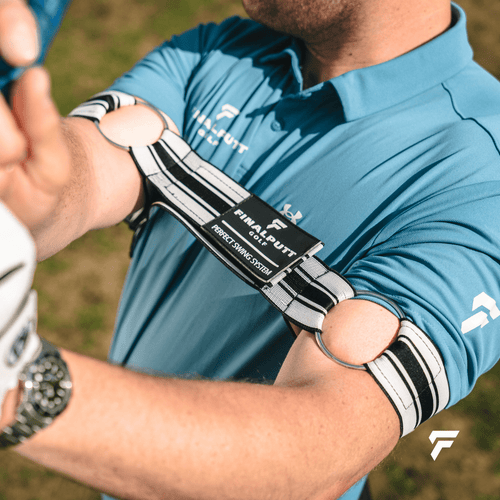
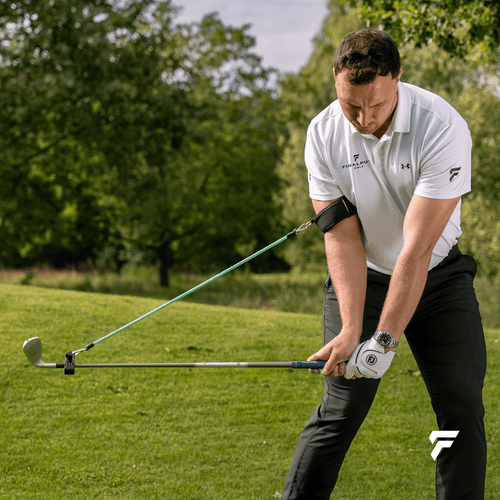
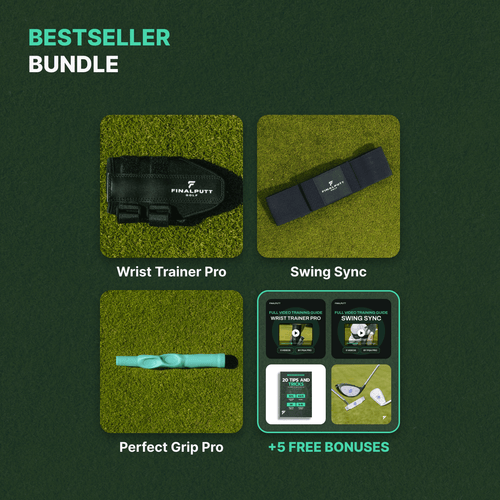
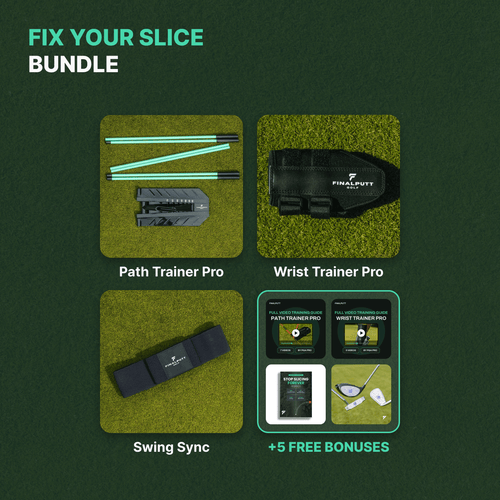
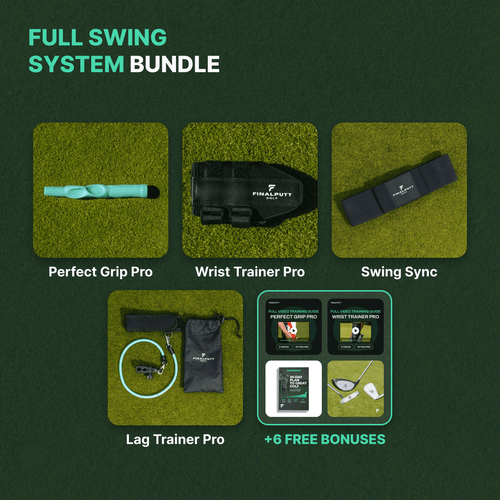
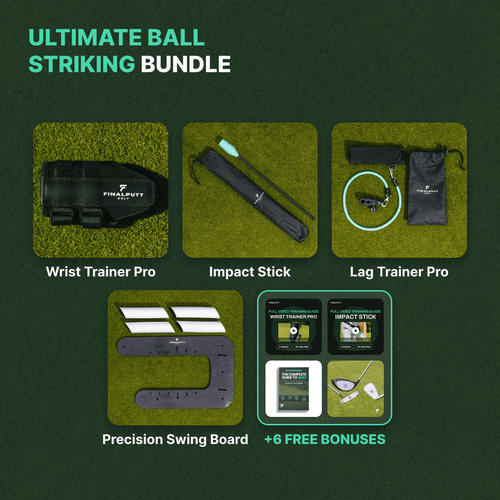
FinalPutt's training tools are built around exactly this kind of tangible feedback. By working on grip, connection, and body coordination together, you develop muscle memory for what a 4 to 5 pressure feels like under different conditions, including when nerves or fatigue push you toward gripping harder. That learned sense of pressure transfers to the course in a way that reading about it simply cannot replicate.
When is a firmer grip actually the right choice?
There are situations where pressure should move toward the higher end of the acceptable range. Shots from thick rough require a slightly firmer grip to prevent the grass from twisting the clubface. Wind can make a looser grip feel unstable. Chip shots around the green sometimes call for a slightly firmer hold to reduce unwanted wrist action.
The key distinction is intentional firmness versus reflexive tension. Consciously choosing a 6 to keep a chip shot controlled is different from gripping at 8 because you are anxious over a tight fairway. One is a technical adjustment; the other is a pressure response that typically makes the shot worse.
Frequently asked questions
Should grip pressure be the same for putting as for full swings?
Putting typically calls for even lighter pressure, often around 3 on the 1–10 scale. The goal with a putter is maximum feel for distance, and any forearm tension interferes with that sensitivity. Many tour players describe their putting grip as the lightest hold they use all round.
Can grip pressure affect how far I hit the ball?
Yes, significantly. Studies of amateur golfers consistently show that reducing grip pressure increases clubhead speed because tense forearms restrict rotation and wrist release. Dropping from an 8 to a 5 can recover meaningful distance without changing swing mechanics.
How do I stop gripping tighter under pressure on the course?
The most reliable method is to build a pre-shot routine that includes a deliberate grip check. Before you start your swing, consciously soften your hands to your target pressure. With enough repetition on the range, this check becomes automatic even when nerves kick in.
Does the type of grip (overlapping, interlocking, ten-finger) change the right pressure level?
The grip style affects how pressure distributes across your fingers, but the target range of 4 to 5 out of 10 applies regardless of which style you use. What changes is which specific fingers carry the most load, not the overall intensity.
You may also like
Read more
 What Is Swing Plane in Golf?What training aid can help me stop coming over the top in my golf swing?
 How to Stop Slicing the Driver Once and for All
 How to Use The Perfect Swing System
 How to Use The Swing Hinge
 How to Use The Distance Plates Pro
 What Is a Putting Stroke Path and Why Does It Matter?How Wide Should Your Golf Stance Be?Find out exactly how wide your golf stance should be for every club — and why getting this fundamental right improves…