







Nothing changes the energy of a round like stepping onto a tee and sending the ball flying past the usual landing area. Longer drives do not come from swinging harder. Real distance becomes apparent when setup, timing, strike, and body motion all work in harmony. The good news is that every part of that process can be trained.
The steps below outline exactly how to build dependable driving distance in a way that actually holds up on the course.
Step 1: Fix the Grip Before Anything Else
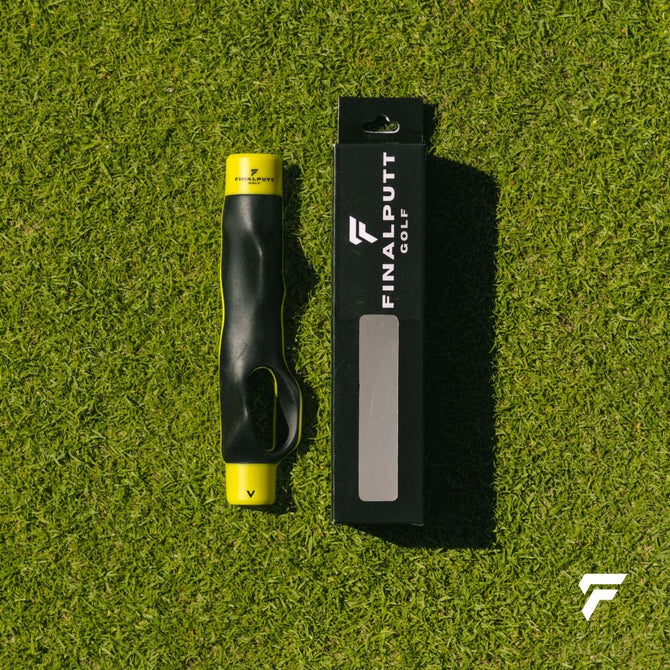
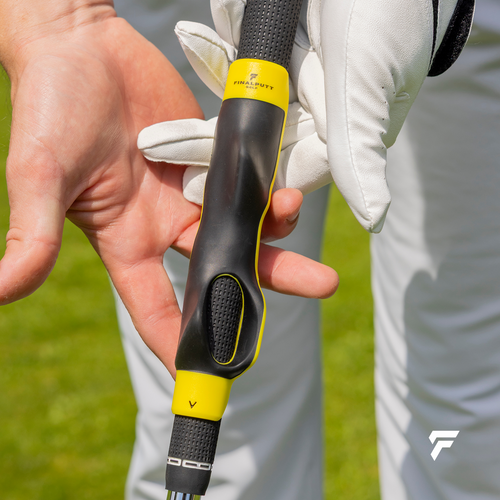
Distance problems often start with the hands. When the club sits too deep in the palms, or the grip pressure tightens during the swing, the club struggles to release freely. That costs both speed and solid contact.
The Velocity Grip trains proper hand positioning and stable pressure so the club can hinge and release naturally. Once the hands work correctly, the clubface squares more easily and energy transfers far more efficiently into the ball. Many golfers notice cleaner strikes almost immediately after correcting this one area.

Step 2: Build a Real Coil in the Backswing
Strong drivers of the ball do not simply lift the club back. The upper body turns fully while the lower body stays stable, creating stored rotational energy. That stored energy becomes the source of effortless speed later.
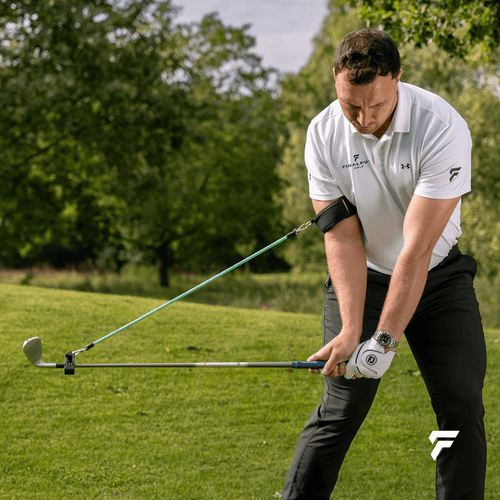
The Power Trainer helps develop exactly this move by strengthening rotational motion and improving sequencing. Training the body to coil properly allows the downswing to start from the ground up, which is where reliable distance truly comes from.

Step 3: Make Sweet Spot Contact the Priority
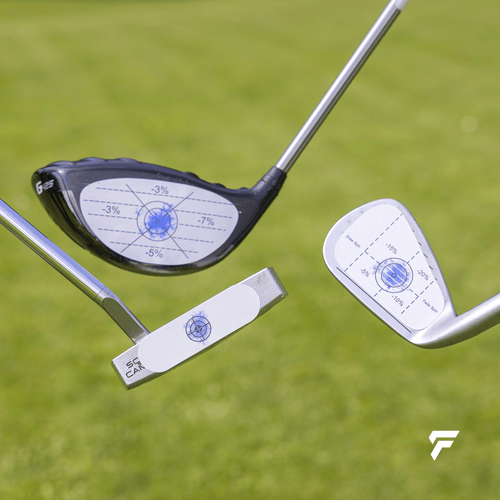
Many golfers chase swing speed while ignoring strike location. Yet a fast swing hitting the toe or heel will always lose distance compared to a centered strike with slightly less speed.
The Strike Pad gives immediate feedback on impact location and swing bottom control. Practicing with consistent strike awareness quickly teaches the body how centered contact actually feels. Once the sweet spot becomes the standard strike, launch conditions improve and drives start carrying noticeably farther.

Step 4: Check Alignment to Unlock Natural Speed
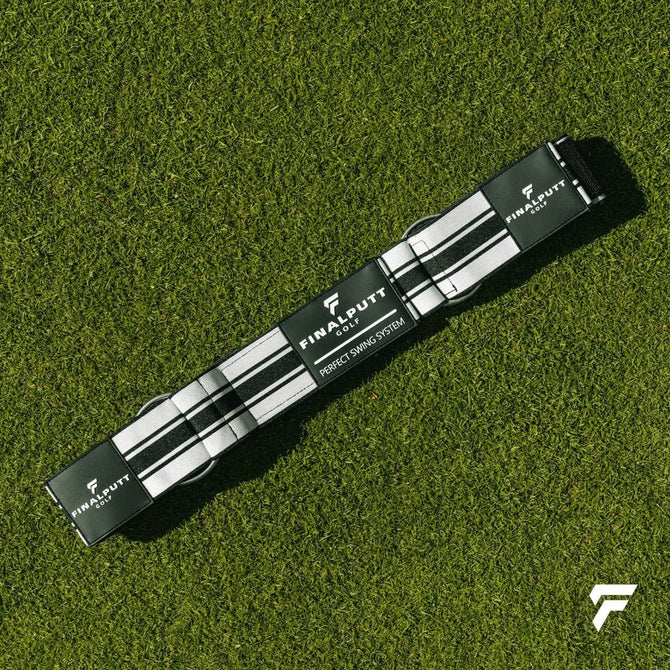
Poor alignment quietly destroys distance. When the body aims left or right, the swing instinctively makes last-second corrections. Those corrections slow the club and add unnecessary spin.
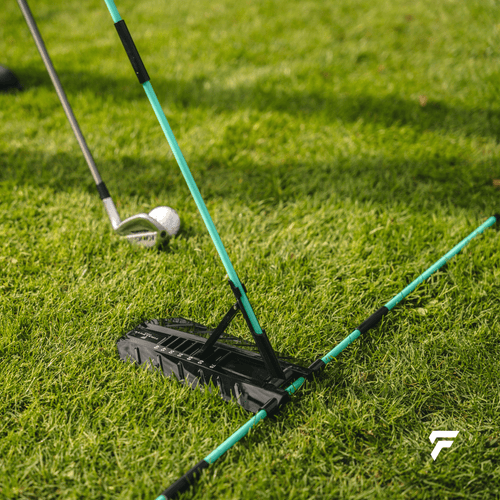
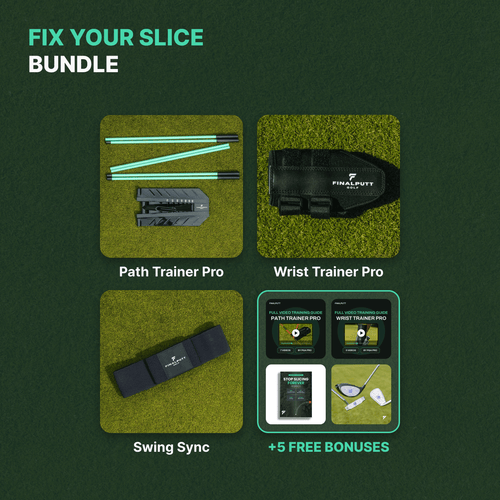
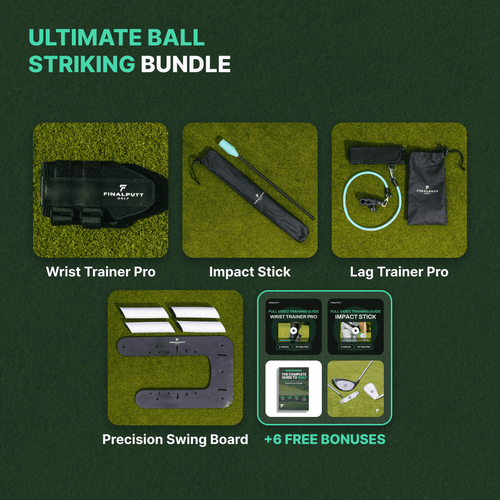
The Path Trainer Pro creates a simple visual structure during practice so feet, hips, and shoulders stay properly organized. With alignment handled early, the swing can move aggressively through the ball instead of steering toward the target.

Step 5: Synchronize the Body and Arms
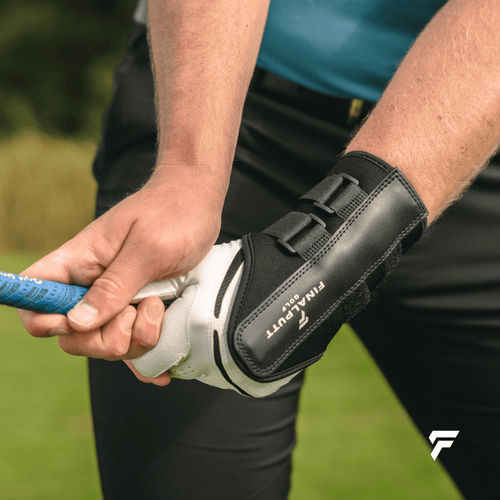
Distance fades when the swing loses connection. Sometimes the arms outrun the body. Other times, the body spins while the club lags behind. Neither produces efficient speed at impact.
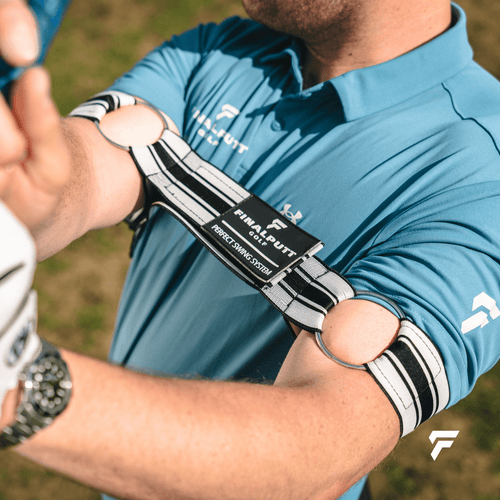
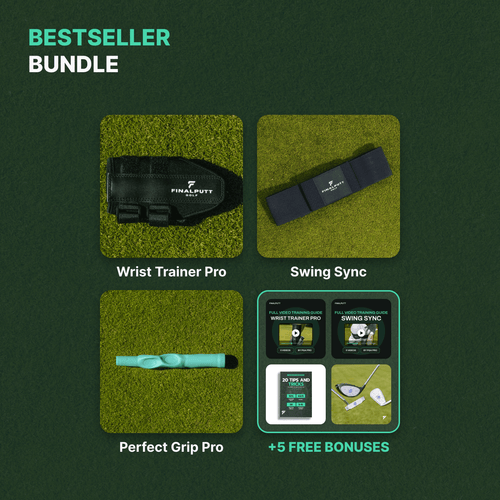
The Swing Sync trains the sensation of connected motion so the lower body leads, the torso follows, and the arms release at the correct moment. When the sequence improves, the swing suddenly feels smoother while the ball launches faster.

Combine Everything Into One Distance Routine
The biggest gains appear when all fundamentals improve together rather than separately.
A structured practice session could look like this:
· Start with the Velocity Grip to confirm hand structure and pressure.
· Move into rotational drills using The Power Trainer to reinforce body loading.
· Hit focused balls using the Strike Pad to sharpen centered contact.
· Check setup discipline with the Path Trainer Pro.
· Finish with Swing Sync drills to blend timing, tempo, and release into one motion.
This sequence builds a swing that feels athletic, repeatable, and powerful under real playing pressure.
Keep the Course Swing Simple
Distance often disappears on the course because tension replaces rhythm. The smartest approach is choosing one simple focus, such as a full shoulder turn or balanced finish.
A stable finish facing the target is one of the clearest indicators of efficient power. When balance holds, the swing delivers energy correctly. When balance falls apart, speed usually leaks somewhere earlier.
Final Thoughts
Longer drives are rarely about raw strength. Reliable distance grows from efficient mechanics, centered impact, and synchronized movement. Small improvements in each area combine to produce meaningful yardage gains.
Build the structure carefully, train it consistently, and distance becomes the natural outcome rather than something forced.