







Lowering a handicap does not require a complete swing rebuild. It rarely comes from a single breakthrough tip. Scores drop when small weaknesses are tightened up, and good habits are repeated often enough that they hold up under pressure.
Most golfers are closer than they think. A few cleaner strikes per round. One less penalty shot. Two more putts holed inside eight feet. That is the difference between hovering at the same number and watching it trend down.
Here is a practical, no-nonsense guide to lowering your handicap faster, built around the fundamentals that influence every shot.
Own the Clubface: Where Scores Really Change
Ball flight starts with the clubface. If the face is unstable through impact, direction becomes a guessing game. Some days it is a push. Other days, it is a pull. Confidence disappears quickly when the face feels unpredictable.
A common issue is early release or excessive wrist movement through the hitting area. The swing may look fine halfway down, then the hands take over, and the strike loses structure.
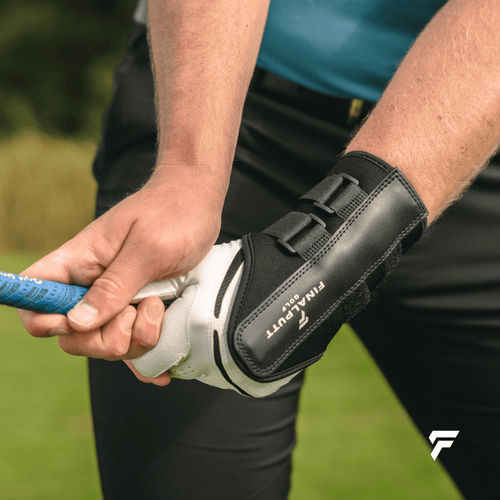
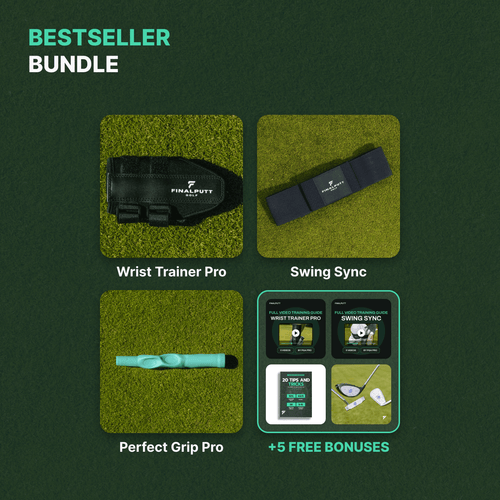
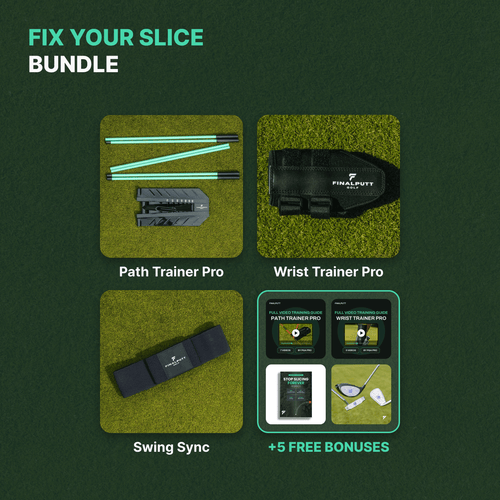
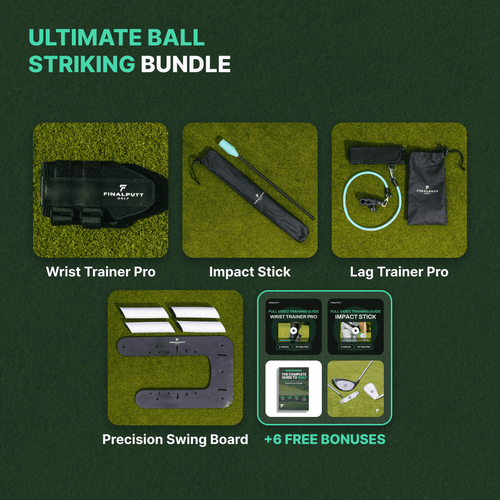
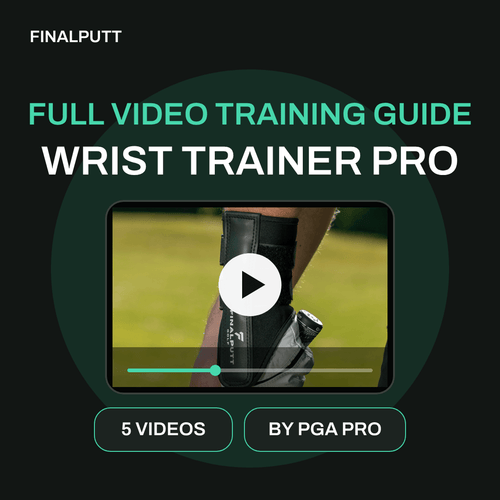
The Wrist Trainer Pro addresses that exact problem. It trains stable wrist positioning so the club returns to impact with control rather than manipulation. Used consistently during range sessions, it helps eliminate the flip that robs golfers of compression and accuracy.

When the face becomes predictable, dispersion tightens. Fairways become wider. Approach shots start on line. That kind of reliability lowers scores quickly.
Fix Alignment: The Silent Score Killer
Alignment errors are subtle but costly. Aiming ten yards left and swinging slightly right forces compensation. Over time, those small compensations turn into big misses.
Solid alignment simplifies the entire motion. When feet, hips, shoulders, and clubface match the intended target line, the swing can move freely without rescue attempts.
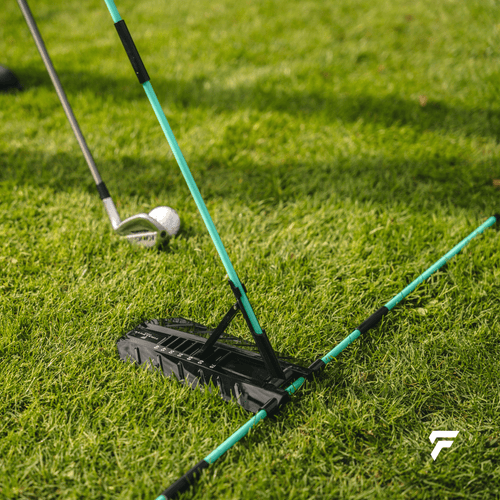
The Path Trainer Pro turns basic alignment sticks into a structured setup station. Instead of placing sticks casually and hoping they are correct, this holder keeps them consistent every session. Practice becomes intentional.

Golfers who clean up alignment often see immediate improvement in accuracy. Fewer balls in trouble. More greens reached in regulation. Fewer stressful recoveries.
Build Functional Speed: Distance That Holds Up
Extra yardage helps only when it is controlled. Swinging harder rarely solves anything. Efficient speed does.
Shorter approach shots create better scoring opportunities. A nine iron into a green feels very different from a five iron.
The Power Trainer develops athletic, repeatable speed. It encourages proper sequencing and tempo, so added distance does not come at the cost of balance. Integrated into weekly practice, it builds power gradually and safely.

Even modest gains, ten to fifteen yards, can transform the way a course plays. Over eighteen holes, those small advantages add up.
Lock In the Grip: Consistency Starts in the Hands
Grip influences face control more than most players realize. Slight shifts in hand placement change the way the club returns to impact.
Under pressure, tension often sneaks in. The hands tighten, rotate, or adjust without conscious thought. Ball flight changes with them.
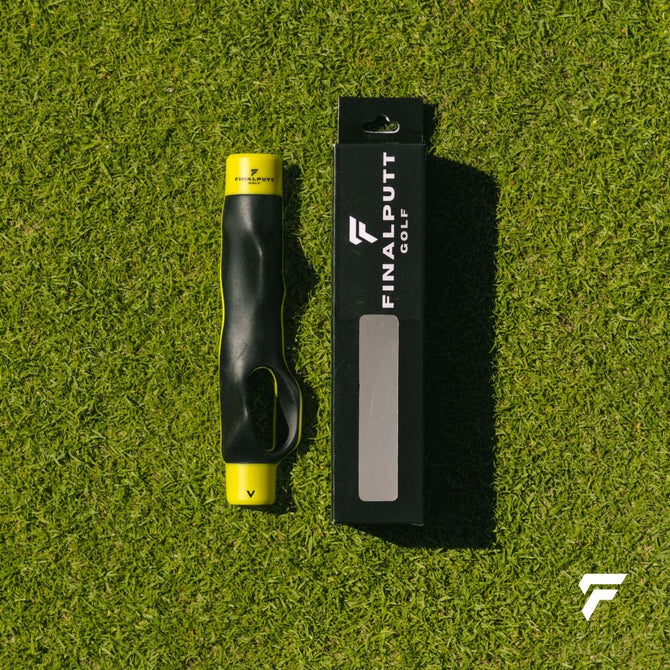
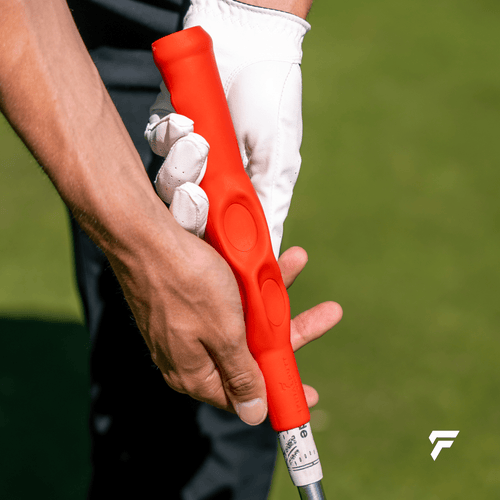
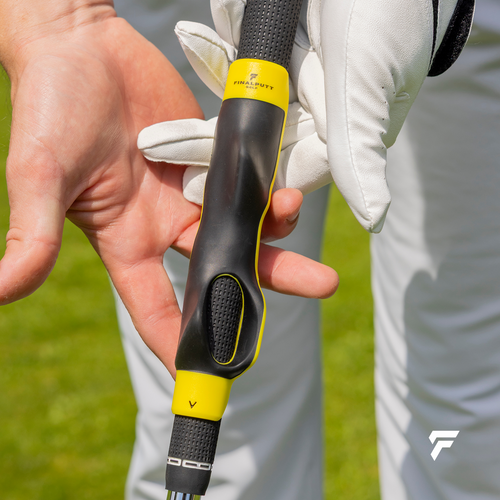
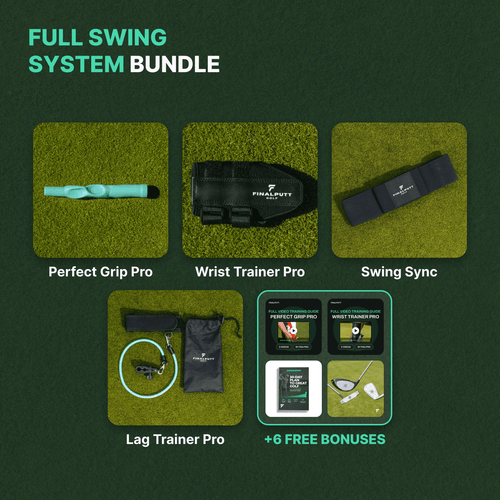
The Perfect Grip Pro reinforces correct hand positioning through repetition. Practicing with it builds muscle memory so the hands settle naturally into the same dependable setup every time.

A consistent grip builds trust. Trust reduces tension. Reduced tension produces smoother, more repeatable swings.
Improve Sequencing: Timing Makes It All Work
A technically sound swing can still struggle if timing is off. When the lower body stalls or the arms rush from the top, contact suffers.
Great ball strikers move in sequence. The downswing begins from the ground up. The body rotates, the arms follow, and the club releases naturally.
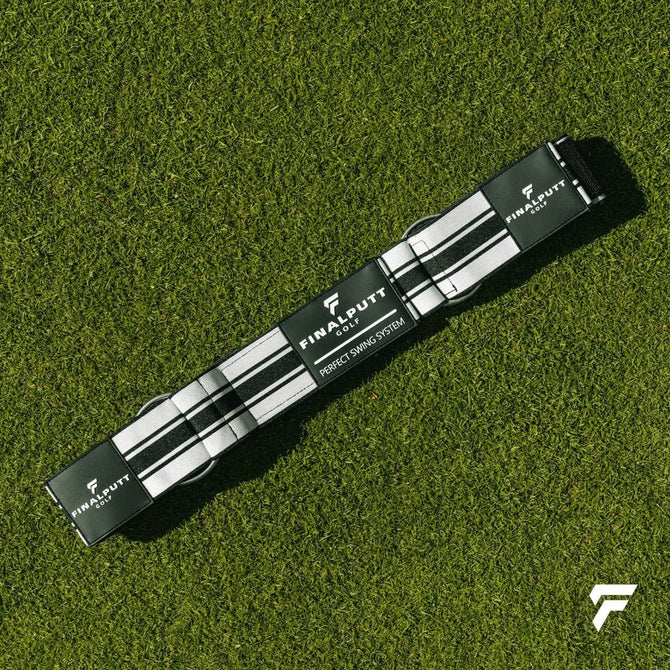
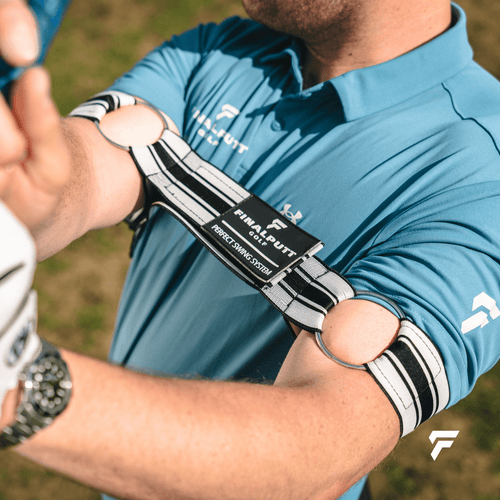
The Swing Sync trains coordinated movement between body segments. It promotes smoother transitions and balanced finishes. With better sequencing, strikes feel solid rather than forced.

Solid contact improves distance control. Distance control sharpens approach play. Approach play lowers scores.
Use the Tools Together: Build a Repeatable System
Each of these tools strengthens a specific link in the chain. Combined, they create a complete improvement structure.
Begin practice by checking hand placement with the Perfect Grip Pro. Reinforce wrist stability using the Wrist Trainer Pro. Set alignment precisely with the Path Trainer Pro. Add The Power Trainer for controlled speed sessions. Finish by refining rhythm and transition using Swing Sync.
This structure removes randomness. Practice sessions gain direction. Progress becomes visible and measurable.
Consistency in five key areas often produces noticeable scoring improvements within weeks.
Practice Smarter: Quality Over Volume
Mindless ball hitting rarely changes handicaps. Focused repetition does.
Choose specific targets on the range. Simulate course situations. Track fairways and greens during rounds. Spend meaningful time on short putts and basic chips; those strokes count the same as drives.
Short, structured sessions repeated consistently outperform occasional marathon practices.
Manage the Course: Protect the Progress
Lower handicaps are sustained by smart decisions. Avoid unnecessary risks. Play to comfortable yardages. Accept pars when birdie is unlikely.
Many rounds unravel not because of mechanics, but because of impatience. Discipline keeps good swings from turning into big numbers.
The Bottom Line
Lowering a handicap quickly is not about a dramatic change. It is about stabilizing fundamentals and reinforcing them with structured practice.
Control the clubface. Align with precision. Build efficient speed. Establish a repeatable grip. Synchronize movement. Practice with intention. Manage the course wisely.
The right tools accelerate that process by turning practice into skill development rather than trial and error. Over time, tighter dispersion, cleaner contact, and better distance control translate into lower numbers on the card.
Golf improvement rarely feels dramatic. It feels steady. And steady progress is exactly what lowers handicaps.