



Every golfer knows the feeling.
The ball launches high, starts down the fairway looking decent, and then slowly drifts right. And keeps drifting. What should have been a confident drive turns into a search mission in the rough.
For right-handed players, the slice is public enemy number one. It robs distance, destroys accuracy, and quietly chips away at confidence. It is also, fortunately, fixable.
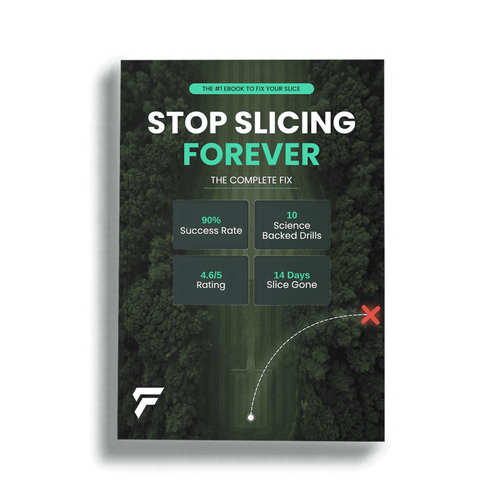
Despite what many believe, a slice is not a mystery. It is a mechanical issue with clear causes and clear solutions. With the right understanding, structured practice, and smart training tools, that banana ball can turn into a powerful, controlled fade, or even a straight bullet down the middle.
What Actually Causes a Golf Slice?
A slice happens when the clubface is open relative to the swing path at impact.
In simple terms:
● The club is moving across the ball from outside to inside.
● The clubface is pointing right of the target at impact.
● The ball spins clockwise, creating that familiar curve.
Most slices come from three main problems:
- Poor alignment
- An over-the-top swing path
- An open clubface caused by a weak grip or poor wrist control
Fix those three areas, and the slice disappears.
Step 1: Fix Alignment First
Alignment is the most overlooked cause of a slice.
Many golfers aim left to “compensate” for the ball curving right. Unfortunately, this often makes the swing path even more out-to-in, increasing side spin.
Proper alignment means:
● Feet, hips, and shoulders parallel to the target line.
● Clubface square to the target.
● Ball position appropriate for the club.
Consistent alignment practice is difficult without a reference point. That is where an alignment system becomes invaluable.
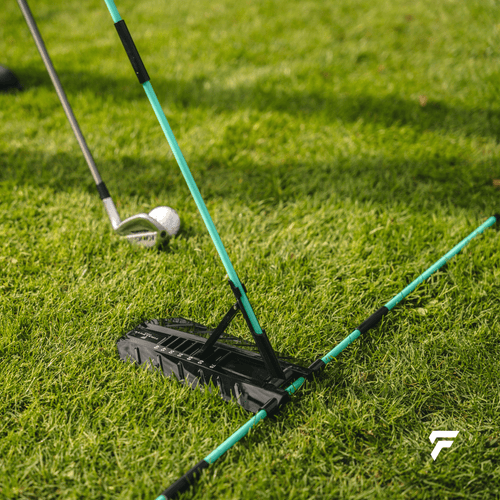
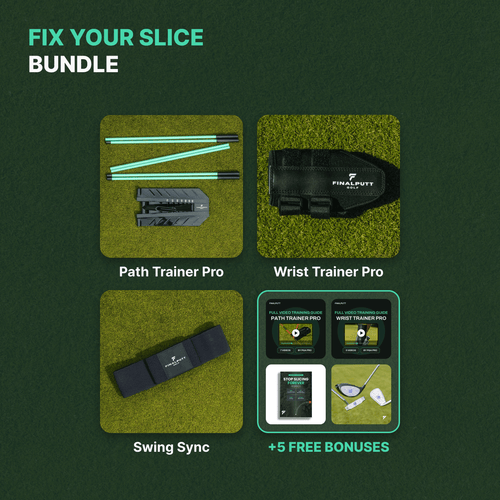
The Path Trainer Pro creates a stable, repeatable setup station using alignment sticks. Instead of guessing alignment at the range, this holder locks sticks into position, helping train body alignment, swing path, and ball position simultaneously.

When alignment becomes automatic, the swing no longer compensates subconsciously. That alone reduces slicing dramatically.
Step 2: Correct the Swing Path
The classic slicer comes “over the top.” The downswing starts with the shoulders, the club moves outside the target line, and cuts across the ball.
This steep, outside-to-inside path produces glancing contact and excessive spin.
The correction is simple in theory, but difficult in practice:
● Shallow the club on the downswing.
● Drop the hands inside.
● Deliver the club from in-to-out.
The body must sequence correctly: hips initiate, torso follows, arms drop naturally.
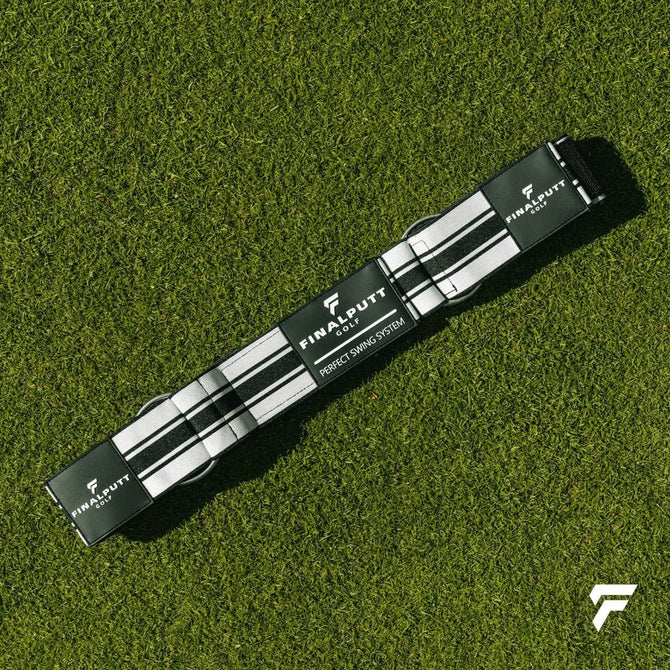
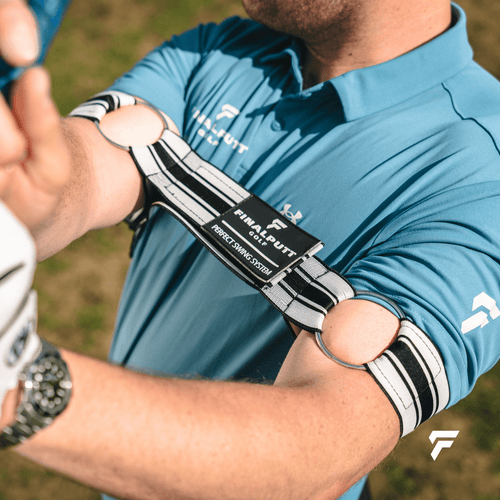
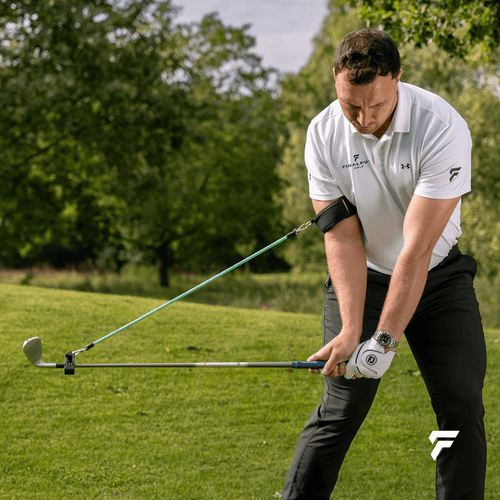
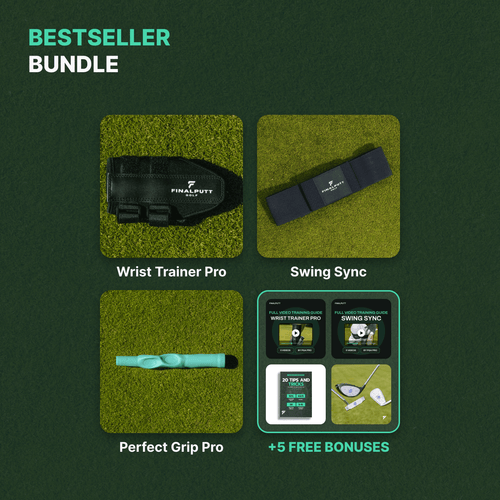
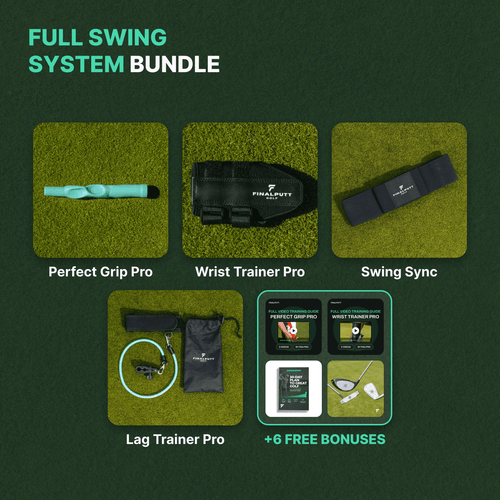
Rebuilding tempo and sequencing requires feel training, not just mechanical thinking. The Swing Sync is designed specifically to train proper connection and rhythm. Encouraging the arms and body to move in sync prevents the independent arm swing that leads to steep, slicing paths.

When the upper body stops dominating the downswing, the club naturally approaches from a more neutral or inside path. That means straighter ball flight and more compression.
Step 3: Strengthen the Grip
An open clubface is often the silent culprit.
Even with a decent path, a weak grip can leave the face open at impact. A proper grip should allow the hands to release naturally through the ball.
Signs of a weak grip:
● Lead hand rotated too far toward the target.
● “V” shapes formed by thumb and forefinger pointing left of the trail shoulder.
● Difficulty squaring the face without conscious manipulation.
Grip changes can feel uncomfortable at first. However, consistent repetition builds comfort quickly.
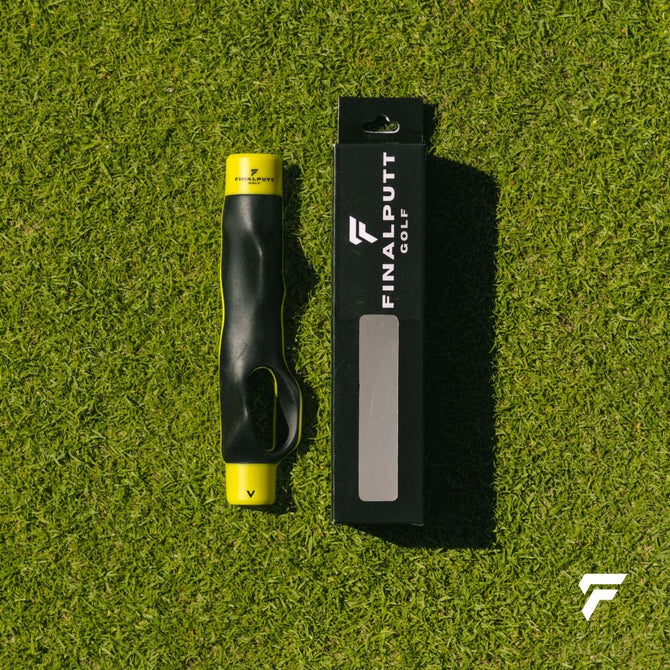
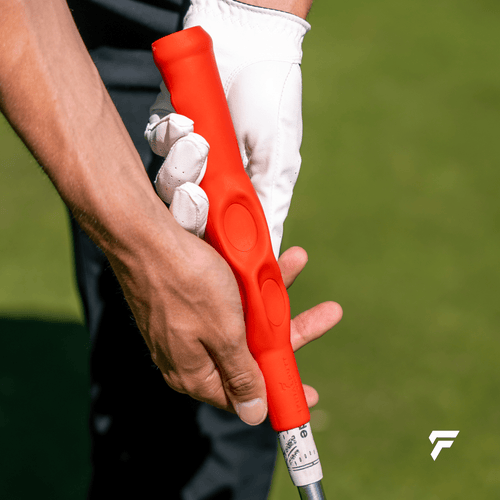
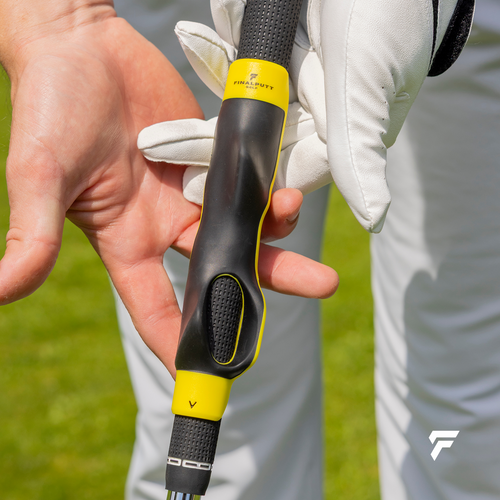
The Perfect Grip Pro trains correct hand placement every time the club is held. Instead of guessing, it reinforces proper positioning until muscle memory takes over.

A stronger, fundamentally sound grip makes it significantly easier to square the clubface. When the face squares naturally, the slicing spin decreases immediately.
Step 4: Control the Wrists Through Impact
Even with proper alignment and path, unstable wrists can sabotage the shot.
Many golfers:
● Cup the lead wrist at the top.
● Flip the hands through impact.
● Leave the face open unintentionally.
The lead wrist should be flat or slightly bowed at impact to help square the clubface. This stabilizes loft, improves compression, and eliminates weak fades.
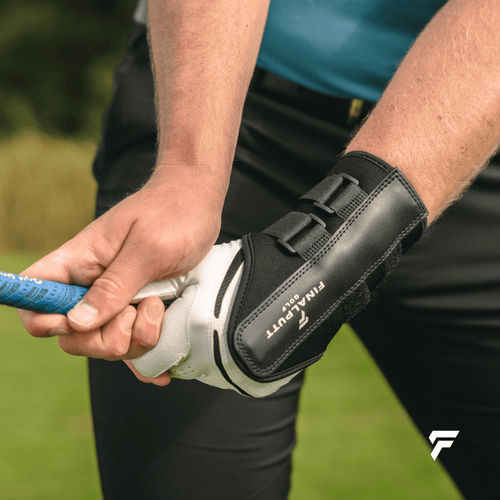
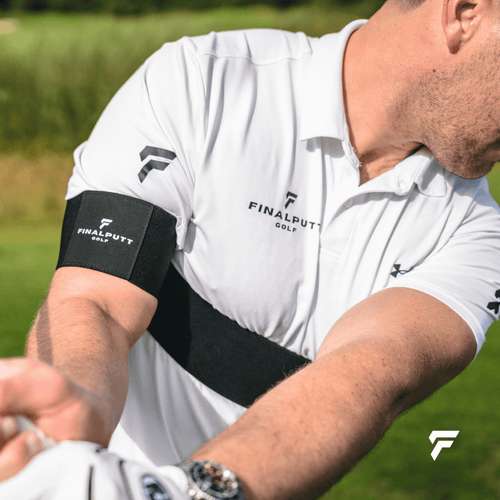
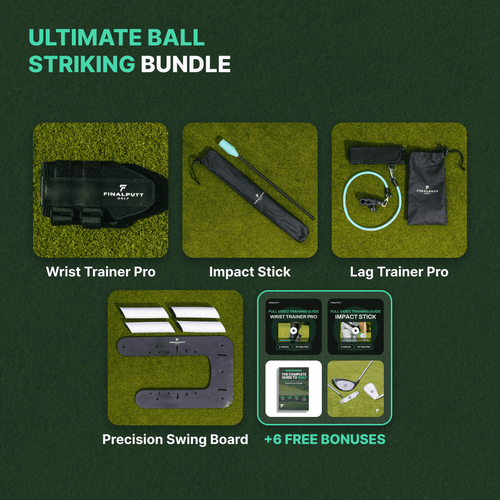
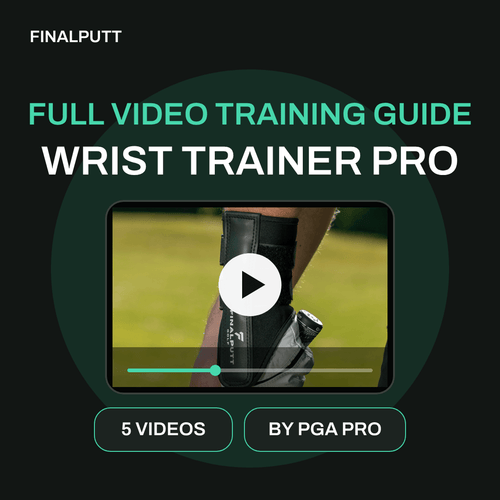
The Wrist Trainer Pro reinforces correct wrist angles throughout the swing. By training proper hinge and preventing breakdown, it builds consistency at impact, where it matters most.

Stable wrists create predictable ball flight. Predictable ball flight builds confidence.
Why Distance Increases When the Slice Disappears
A slice does more than curve offline; it steals power.
Side spin reduces forward energy. Glancing blows reduce compression. Open faces increase dynamic loft.
When path and face align properly:
● Ball speed increases.
● Launch becomes optimized.
● Spin rates normalize.
● Distance jumps noticeably.
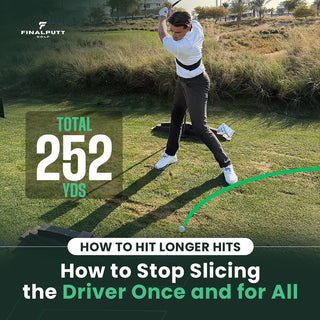
Many golfers gain 15 to 25 yards simply by eliminating excessive side spin.
Straight golf shots are not just prettier, they are longer.
How to Practice the Fix Effectively
Random range sessions rarely solve a slice. Structured training does.
A productive anti-slice practice session might look like this:
- Set alignment sticks using the Path Trainer Pro to create a clear swing path gate.
- Hit half swings focusing on inside delivery.
- Use Swing Sync to maintain connected tempo.
- Check grip consistency with Perfect Grip Pro.
- Reinforce wrist stability using Wrist Trainer Pro.
- Gradually increase swing speed while maintaining control.
Repetition under structure accelerates improvement.
The Mental Side of the Slice
A slice often becomes psychological.
After repeated right misses, tension builds. Tension leads to tighter grips and faster transitions, which worsen slicing.
Confidence returns when mechanics stabilize. When setup is reliable and impact becomes predictable, tension fades.
Solid fundamentals reduce overthinking.
Common Mistakes When Trying to Fix a Slice
Many golfers attempt quick fixes that create new problems:
● Over-rotating the hands to “flip” the clubface.
● Aiming dramatically right and swinging harder.
● Trying to swing drastically inside without correcting alignment.
True correction requires addressing setup, path, and face together.
No single swing thought cures a slice permanently. Systematic training does.
The Long-Term Payoff
Eliminating a slice changes everything.
Fairways increase. Approach shots become shorter. Scores drop naturally. Golf becomes more enjoyable.
More importantly, consistency builds trust. And trust transforms performance.
A controlled fade is a weapon. A slice is a liability. The difference lies in fundamentals.
Alignment. Path. Grip. Wrist stability.
Master those, and the game changes.

)