




Swing plane is the tilted angle at which your club travels around your body during the swing. Getting it right is one of the most direct ways to fix inconsistent ball striking.
What exactly is swing plane, and why do so many golfers struggle with it?
Swing plane is the tilted angle at which your golf club travels around your body from takeaway to follow-through. Think of it as an imaginary flat disc, angled roughly along your spine tilt at address, that your clubhead stays close to throughout a well-timed swing.
Most golfers struggle with it because the correct path is not instinctive. The natural impulse is to swing with your arms in isolation, which pulls the club off that disc almost immediately. Once the club leaves the plane early in the backswing, every compensation that follows tends to compound the error.
What is the difference between an on-plane and an off-plane swing?
An on-plane swing keeps the clubhead moving along that tilted disc from start to finish, producing a consistent, repeatable impact position. An off-plane swing deviates from that path, and the direction of the deviation tells you exactly what ball flight problem to expect.
| Plane error | Club position | Typical ball flight |
|---|---|---|
| Too steep (over the top) | Club comes down outside the target line | Pull, slice, or thin contact |
| Too flat (underneath) | Club approaches from too far inside | Push, hook, or fat contact |
| On plane | Club tracks the target line at impact | Straight or controlled shape |
The over-the-top move is by far the most common fault among amateur golfers. The downswing starts with the shoulders rather than the lower body, which throws the club outside the correct plane before it ever reaches the ball.
How does swing plane affect ball striking consistency?
Plane is the single biggest structural reason golfers hit inconsistent shots from the same setup. Even a small deviation repeated across 70 or 80 shots in a round adds up to a wide range of outcomes: some pulls, some pushes, the occasional flush strike when the hands save the shot at the last moment.
What makes it particularly frustrating is that timing can temporarily mask a plane problem. A golfer with a slightly steep downswing can square the face by rotating the forearms aggressively at impact. It works sometimes, which means the underlying fault never gets addressed. Correcting the plane removes the need for that compensating move entirely.
Does swing plane differ between clubs?
Yes, and the difference is larger than most golfers expect. A driver has a much flatter swing plane than a pitching wedge, simply because the driver is longer and you stand further from the ball. With a short iron you stand closer, your spine tilts more, and the plane angle steepens accordingly.
This is why drills you use with a mid-iron do not always translate directly to the driver, and vice versa. Practicing with a variety of clubs and checking your plane with each one gives you a more complete picture of what your swing is actually doing.
What is the most practical way to improve swing plane?
Video feedback is a good starting point. Film your swing from directly down the target line and from behind, then draw a line from the ball through the butt of the club at address. That line should roughly match where the club is at the top of the backswing and again on the downswing as the hands reach hip height. If the club is above or below that reference line at those checkpoints, you have a plane problem worth addressing.
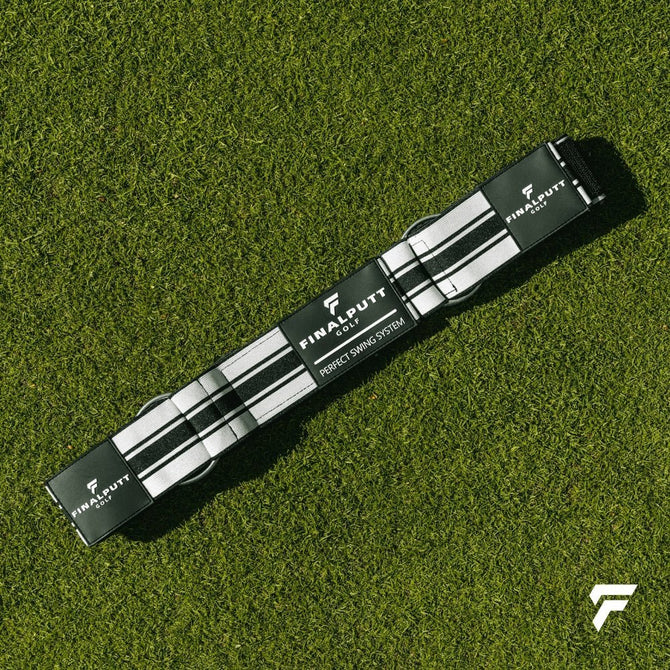
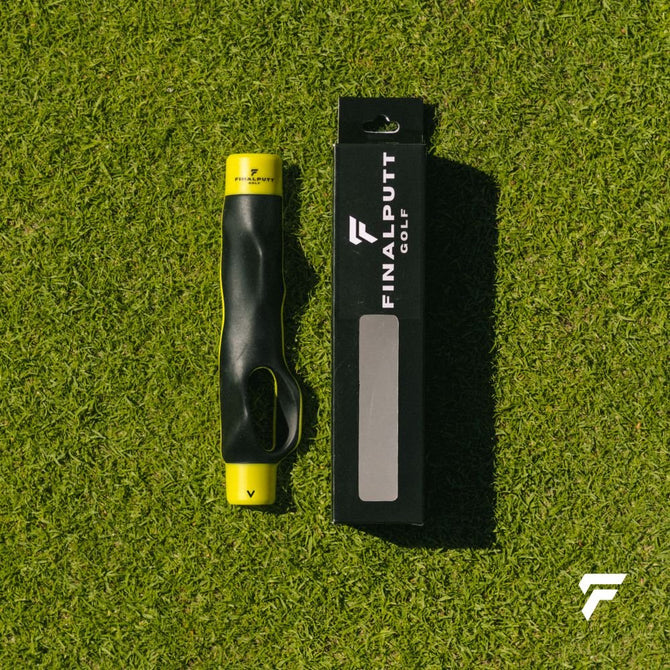
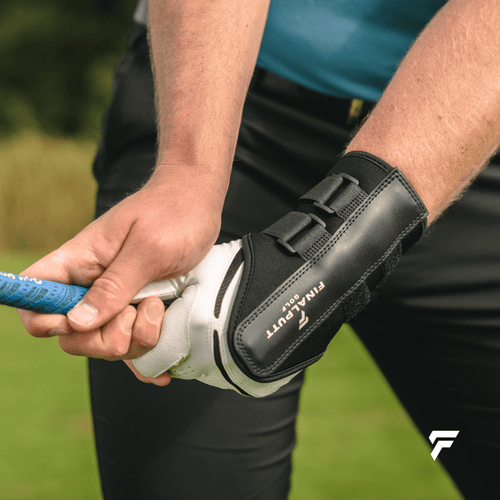
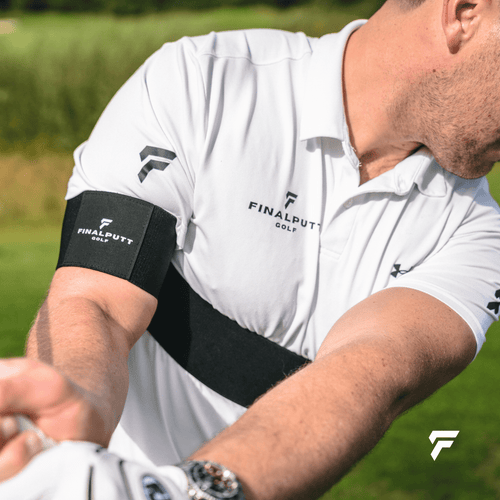
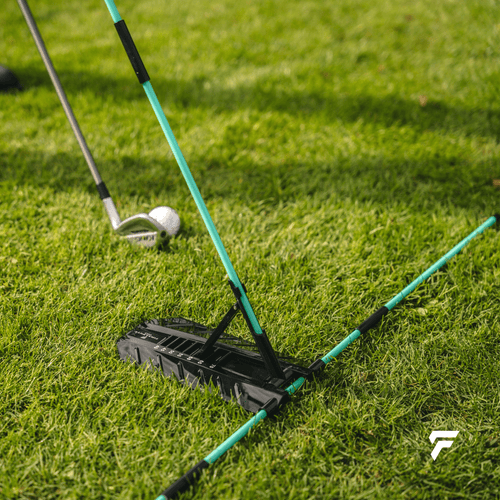
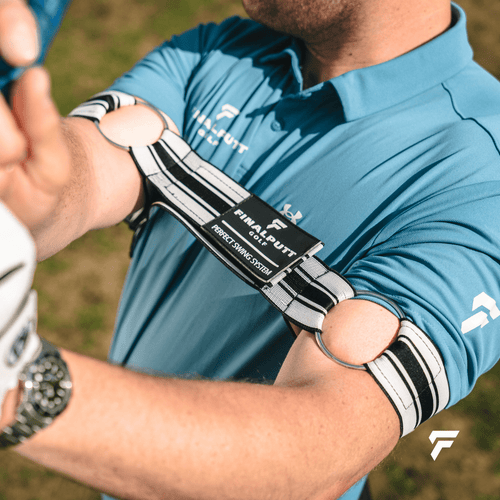
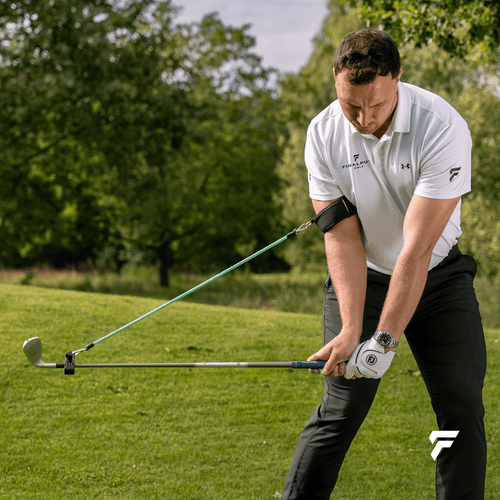
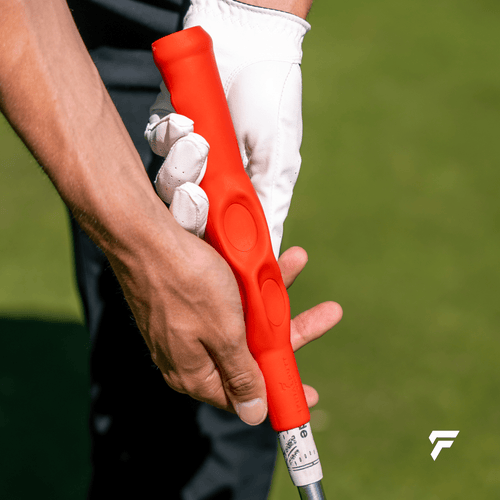
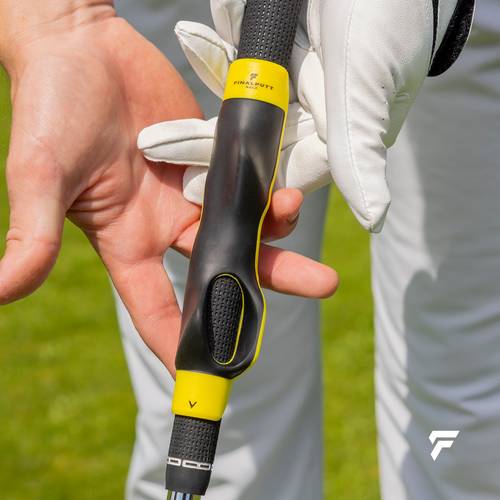
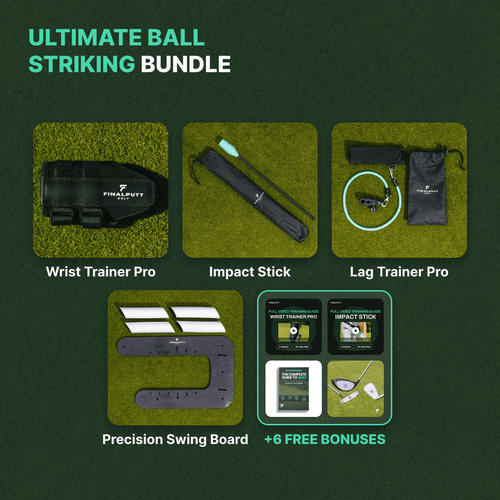
Video alone, however, only shows you the error after the fact. The most effective approach combines awareness with real-time feedback during the actual swing motion. That is where golf training aids come in: tools designed specifically to train the feel of staying on plane so the correct path becomes automatic rather than something you have to think about. Dedicated training aids for swing plane give you immediate physical feedback mid-swing, which accelerates the learning curve considerably compared to watching replays between shots.
Simple drills also help. The pump drill, where you start the downswing and pause when your hands reach hip height to check club position, forces you to feel the correct slot before swinging through. Doing this slowly and deliberately for 10 to 15 repetitions before a practice session builds the muscle memory that carries into full-speed swings.
When is swing plane not the main problem to fix?
If your grip is significantly weak or strong, or if your clubface is wide open or closed at the top of the backswing, fixing the plane first may not help much. A correct swing plane with a twisted face still produces a curved shot. Grip and face angle are worth checking before investing heavily in plane work.
Similarly, golfers who have very short or very long backswings sometimes see the plane issue resolve on its own once they address swing length. And beginners who have been playing for less than a few months may benefit more from basic setup fundamentals before getting into plane geometry. Plane work delivers the most value once you have a repeatable address position and a consistent grip.
Frequently asked questions
Is swing plane the same as swing path?
They are related but not identical. Swing plane refers to the angle of the tilted disc your club travels along, while swing path specifically describes the direction the clubhead is moving at the moment of impact. A correct swing plane generally produces a better swing path, but the two are measured differently.
Can you have a good swing plane without lessons?
Many golfers improve their plane significantly through focused self-practice using video and training aids. Lessons accelerate the process because an instructor spots secondary faults that are hard to see yourself, but a disciplined self-teaching approach with the right feedback tools can absolutely work.
How long does it take to fix a swing plane problem?
Most golfers notice a meaningful improvement within four to six weeks of consistent, targeted practice. The new movement pattern takes time to become automatic, so short daily sessions tend to work better than infrequent long ones.
Does swing plane matter for putting?
The term swing plane is rarely used in putting, but the underlying idea, keeping the putter on a consistent arc through the stroke, absolutely applies. A putter that moves off its natural arc tends to produce pushed or pulled putts even when the face angle looks correct.
You may also like
Read more
What's the best training aid to fix my swing plane?How to Use The Rotation TrainerWhat Is a Putting Stroke Path and Why Does It Matter?Your putting stroke path determines whether the ball starts on your intended line. Learn what it is, why it matters,…How to Use The Perfect Swing SystemHow to Use The Connection Band ProHow to Use The Swing HingeWhat training aid can help me stop coming over the top in my golf swing?Which golf training aids do pros and coaches actually recommend?